




.png)


Hotline
0964.287.966
The scientific program brought together leading respiratory physicians, interventional pulmonologists, and international experts to discuss recent technological advances in minimally invasive airway intervention. The symposium welcomed distinguished faculty and participants from Vietnam and overseas, with additional attendees joining virtually via the webinar platform from Germany, Japan, Australia, and Hong Kong.
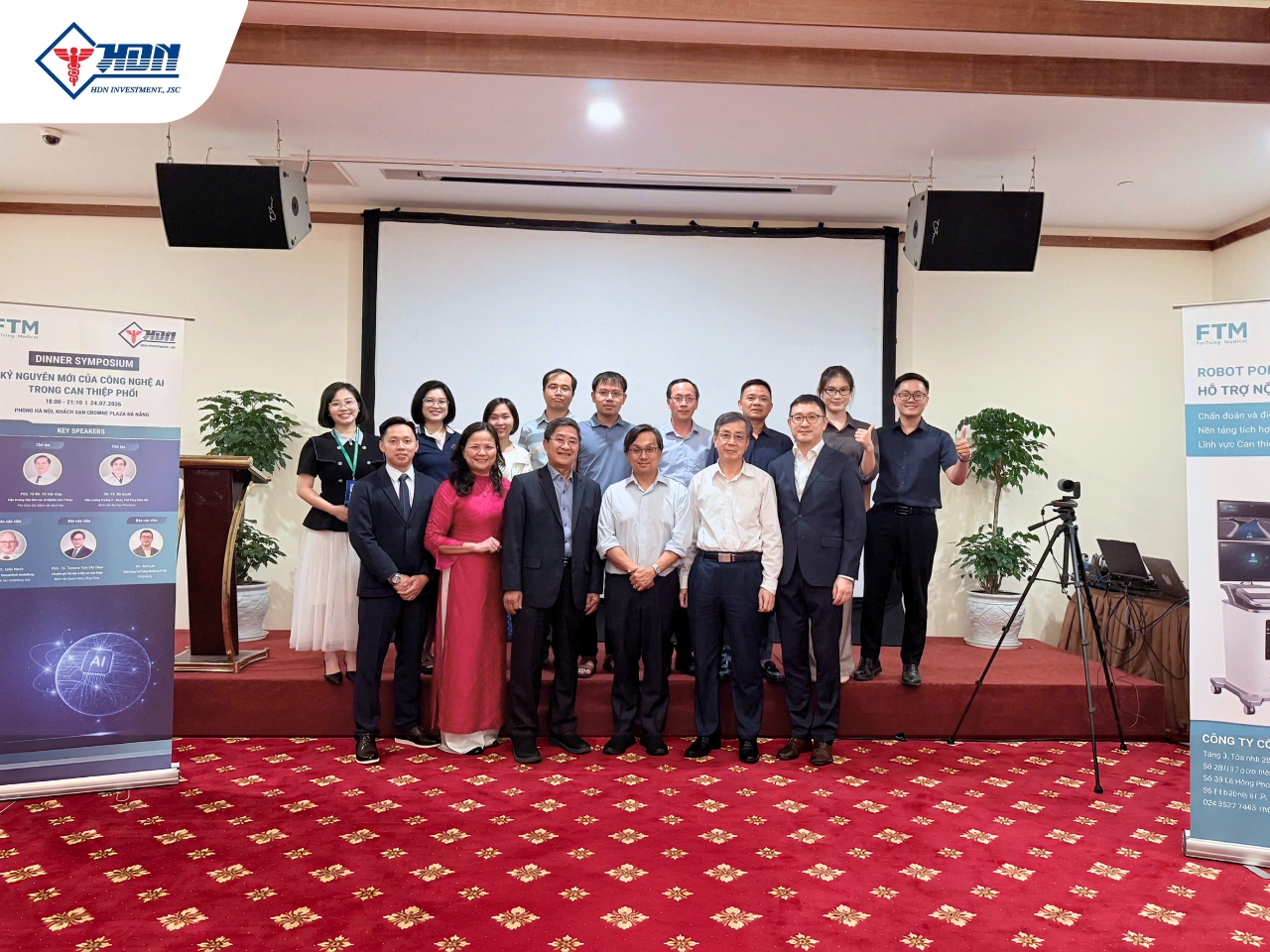
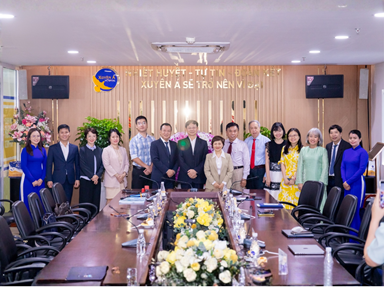
The symposium was co-chaired by Associate Professor Vu Van Giap, MD, PhD, Director of the Institute of Medical Research and Training and Deputy Director of Bach Mai Hospital, and Professor Do Quyet, MD, PhD, President of the Phenikaa University College of Medicine and Pharmacy and Deputy General Director of Phenikaa University Hospital.
.png)
The international faculty included Professor Felix Herth, MD, PhD, Medical Director and Chief Executive Officer of Thoraxklinik Heidelberg (Germany); Associate Professor Terence Tam Chi Chun, MD, PhD, an expert in ultrathin bronchoscopy and advanced peripheral airway access from The University of Hong Kong; and Mr. Joel Lee, Director of ForTsing Medical (Hong Kong).
The symposium also welcomed distinguished guests from leading healthcare institutions, including Professor Masao Hashimoto, National Center for Global Health and Medicine (Japan); Professor Phan Nguyen, MD, Head of Thoracic Medicine, Royal Adelaide Hospital (Australia); as well as department heads, respiratory physicians, and interventional pulmonology specialists from major medical centers across Vietnam, including Bach Mai Hospital, Cho Ray Hospital, University Medical Center Ho Chi Minh City, the National Lung Hospital, Tam Anh General Hospital, Military Hospital 175, Nghe An Friendship General Hospital, and other healthcare institutions.
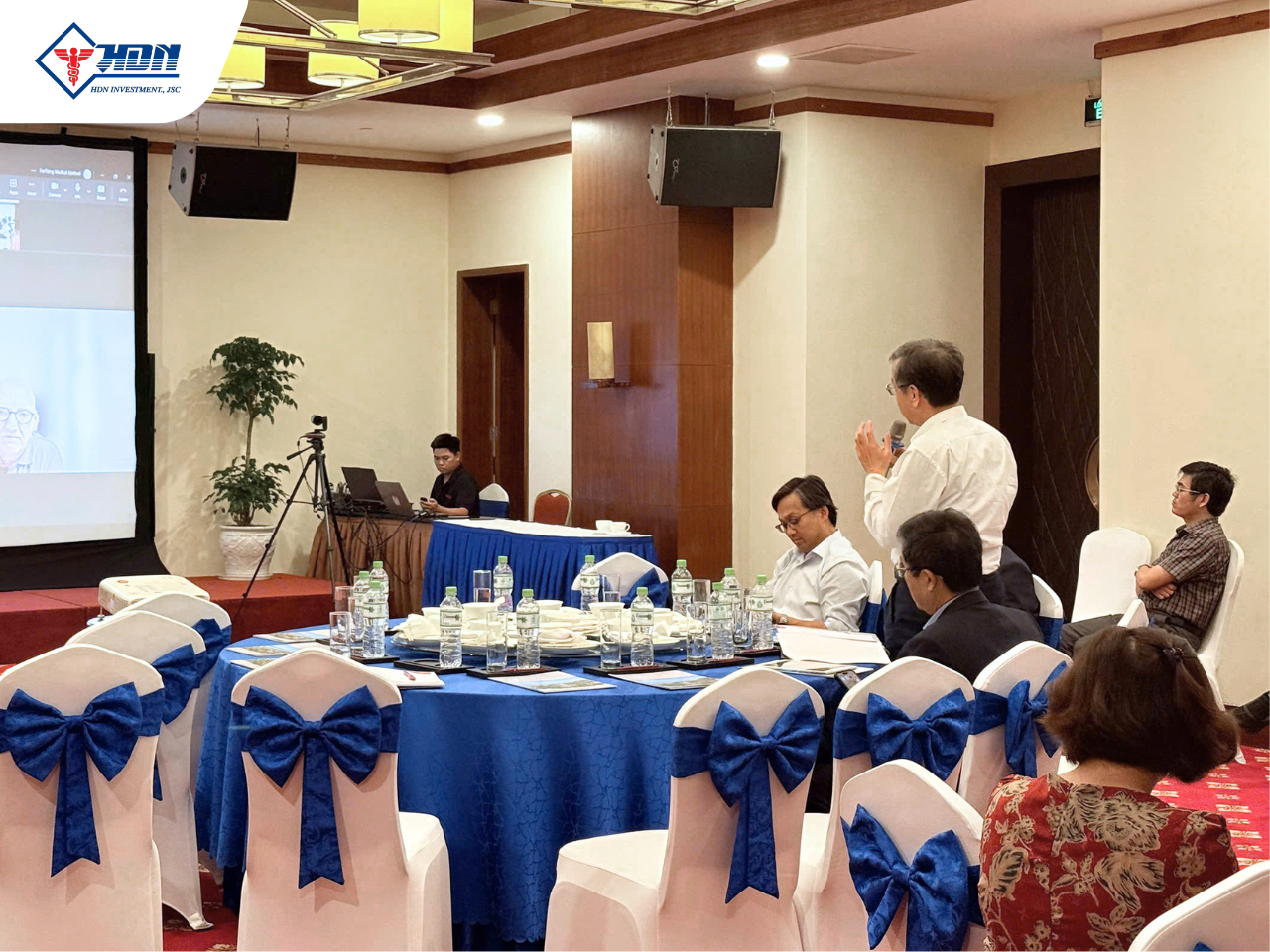
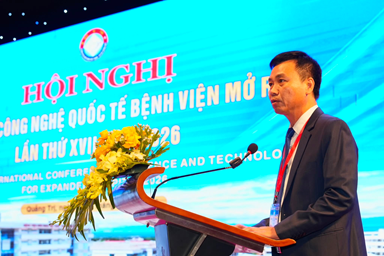
The scientific program opened with welcome remarks delivered by Professor Do Quyet, MD, PhD. The symposium focused on the evolving role of artificial intelligence in interventional pulmonology, with presentations addressing emerging technologies, clinical applications, and future perspectives for minimally invasive respiratory interventions.
Related article: HDN at VNRS 2026: Supporting the Advancement of Interventional Pulmonology
.png)
.png)
During the pre-congress hands-on training session held earlier that day, entitled "Interventional Pulmonology: From Principles to Modern Practice," Associate Professor Terence Tam Chi Chun also highlighted the Polaris Robotic Bronchoscopy System as an innovative platform for the diagnosis and minimally invasive management of peripheral pulmonary nodules. The system was presented as a technology designed to enhance procedural navigation and support precise access to peripheral airway lesions.
(1).jpg)
The symposium concluded with an active scientific discussion, during which participants exchanged clinical perspectives and technical questions with the invited faculty and representatives from ForTsing Medical. Through continued collaboration with clinical experts and industry partners, HDN remains committed to supporting scientific education and facilitating the introduction of innovative technologies for interventional pulmonology in Vietnam.